Slave-owner Dr. Daniel MacKinnon
A life traced from the Hebrides to the Caribbean. A case of Edmund syndrome? Translated by historian and translator, Emma-Jane MacKinnon-Lee.
I
Dr. Daniel MacKinnon: The Younger Son Who Turned Exile Into Dominion
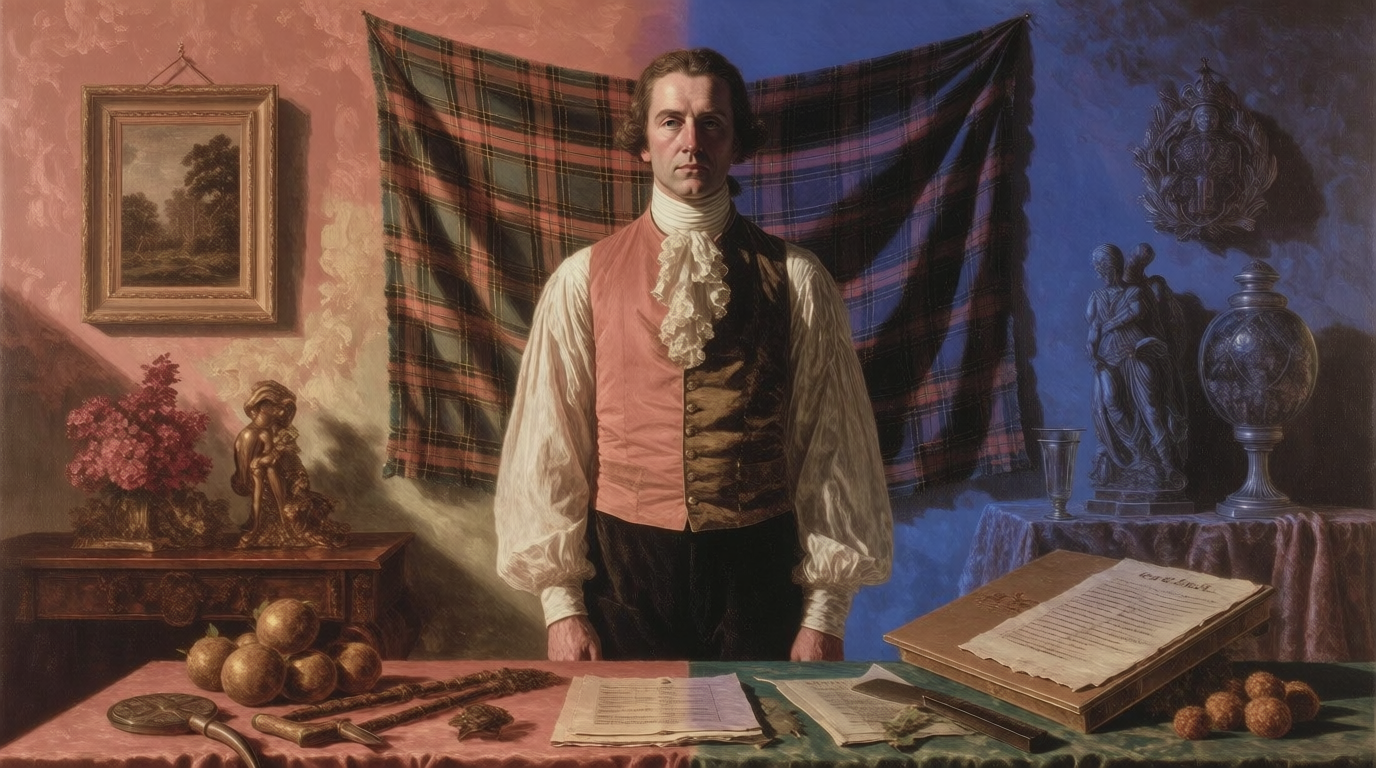
Dr. Daniel MacKinnon, also recorded as Donald MacKinnon in clan tradition, stands at the beginning of the Antigua branch of the MacKinnon family. The surviving genealogical tradition identifies him as the second son of Lachlan More MacKinnon, chief of the clan, and later Antigua sources describe him as the founder of the MacKinnon family in Antigua. He became established at Dickenson’s Bay, entered the island legislature, represented the town of St. John’s in the Assembly convened on the twenty-second of May, seventeen ten, and married Alice Thomas, daughter of William Thomas of Antigua. Their children connected the family into the planter class through inheritance, marriage, land, and slavery.
The crucial dramatic fact in Daniel’s life is not simply that he left Scotland. It is that he appears to have left as a rejected or alienated younger son. Later clan memoir tradition connects Daniel, or Donald, with an “unfortunate quarrel with his father” that produced a lifelong separation. That tradition must be handled carefully, because the record is genealogical and retrospective, not a private diary. But as character material, it is powerful: Daniel’s story begins with rupture, not inheritance. He is not the chosen son. He is not the automatic continuation of the clan. He is the son pushed out of the centre, and he spends the rest of his life manufacturing a new centre around himself.
The crucial dramatic fact in Daniel’s life is not simply that he left Scotland. It is that he appears to have left as a rejected or alienated younger son. Later clan memoir tradition connects Daniel, or Donald, with an “unfortunate quarrel with his father” that produced a lifelong separation. That tradition must be handled carefully, because the record is genealogical and retrospective, not a private diary. But as character material, it is powerful: Daniel’s story begins with rupture, not inheritance. He is not the chosen son. He is not the automatic continuation of the clan. He is the son pushed out of the centre, and he spends the rest of his life manufacturing a new centre around himself.
II
The Fight With His Father and the Departure From the Clan
Daniel’s quarrel with Lachlan More should be written as the psychological wound that drives the rest of his arc. In a clan structure, the eldest son is not merely another child. He is the expected vessel of continuity, name, land, loyalty, command, and memory. The younger son lives close enough to power to taste it, but not close enough to possess it. He grows up inside hierarchy, but beneath its ceiling.
That is the emotional machine that produces Daniel. He is raised among men who understand honour as inheritance, obedience, rank, blood, and public recognition. Then he is denied the symbolic reward of that system. Whether the quarrel was about pride, obedience, land, status, temperament, or succession, the result is the same: he leaves the clan not as a free adventurer, but as a man trying to reverse humiliation.
His departure to Antigua therefore should not be written as migration alone. It is exile converted into strategy. Scotland gives him a name but not enough power. Antigua gives him a field where name, violence, medicine, law, race, land, and slavery can be fused into authority.
That is the emotional machine that produces Daniel. He is raised among men who understand honour as inheritance, obedience, rank, blood, and public recognition. Then he is denied the symbolic reward of that system. Whether the quarrel was about pride, obedience, land, status, temperament, or succession, the result is the same: he leaves the clan not as a free adventurer, but as a man trying to reverse humiliation.
His departure to Antigua therefore should not be written as migration alone. It is exile converted into strategy. Scotland gives him a name but not enough power. Antigua gives him a field where name, violence, medicine, law, race, land, and slavery can be fused into authority.
III
The Years in Antigua Before the Plantation
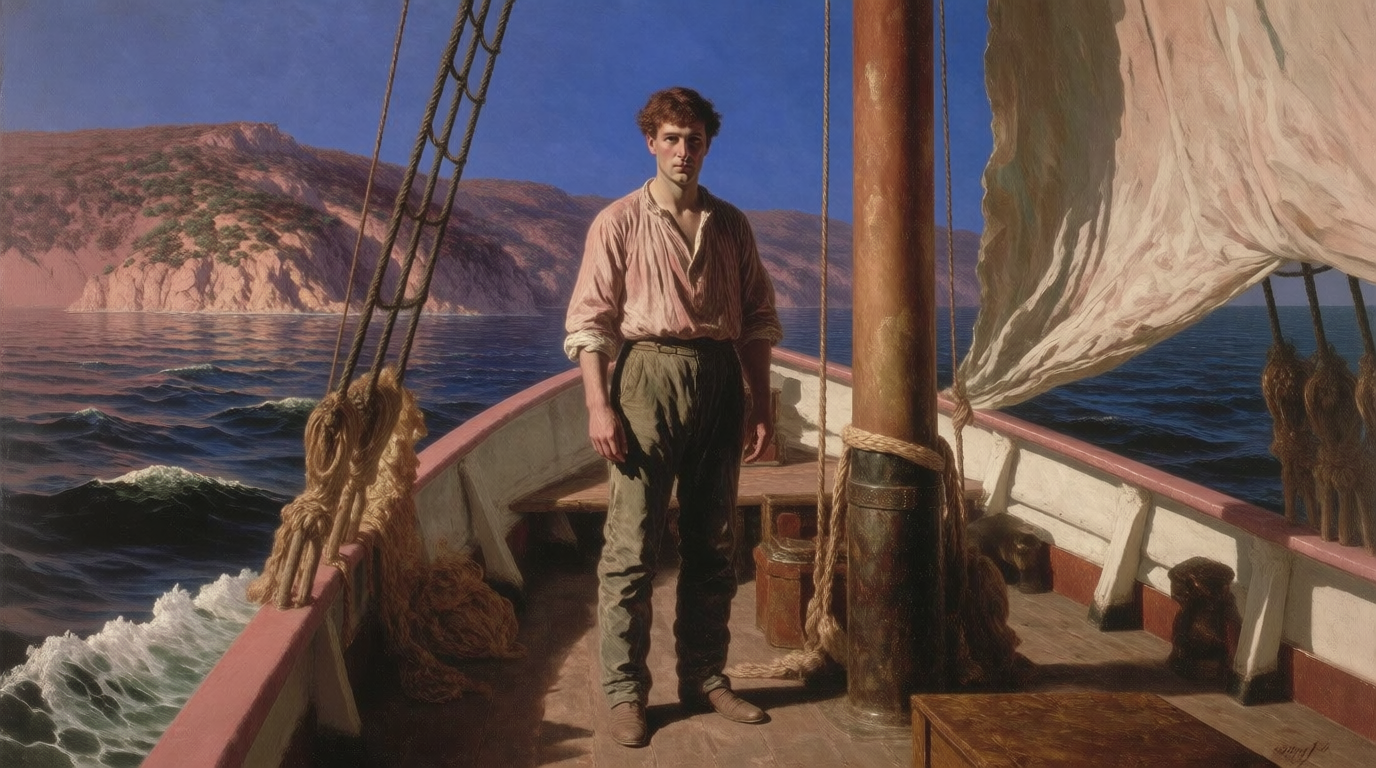
The evidence suggests that Daniel arrived in Antigua sometime between sixteen seventy-eight and sixteen eighty-eight. A later summary of Vere Oliver’s work states that Governor Daniel Parke described him in seventeen eight as having been, roughly twenty years earlier, a surgeon on a small merchant ship. That detail matters. Daniel did not arrive as a great planter. He arrived as a medical man attached to Atlantic commerce, someone useful, mobile, and socially ambiguous.
Before becoming a plantation figure, Daniel appears to have made himself indispensable through medicine, proximity to sickness, and proximity to death. In an early colonial island, a physician or apothecary could gain access to households, wills, debts, weakened bodies, and property transfers. A hostile source, George French, later accused Daniel of building a fortune through corrupt medical practice, becoming heir, executor, and administrator to vulnerable people who had fallen into his hands. This accusation should not be treated as proven fact, because French was writing polemically. But it reveals how Daniel was perceived by enemies: not merely as ambitious, but as predatory.
By seventeen two, Golden Grove was leased for ninety-nine years to Dr. Daniel McKinnon at one hundred pounds per year. That indicates that his transition from medical outsider to landed man was already underway before his full planter dynasty was secure. The available evidence points less to one clean “purchase moment” and more to a sequence: arrival as a ship’s surgeon, medical practice, accumulation of legal and financial leverage, land leasing or grants, displacement of smaller settlers, and eventual conversion of land into plantation wealth.
Before becoming a plantation figure, Daniel appears to have made himself indispensable through medicine, proximity to sickness, and proximity to death. In an early colonial island, a physician or apothecary could gain access to households, wills, debts, weakened bodies, and property transfers. A hostile source, George French, later accused Daniel of building a fortune through corrupt medical practice, becoming heir, executor, and administrator to vulnerable people who had fallen into his hands. This accusation should not be treated as proven fact, because French was writing polemically. But it reveals how Daniel was perceived by enemies: not merely as ambitious, but as predatory.
By seventeen two, Golden Grove was leased for ninety-nine years to Dr. Daniel McKinnon at one hundred pounds per year. That indicates that his transition from medical outsider to landed man was already underway before his full planter dynasty was secure. The available evidence points less to one clean “purchase moment” and more to a sequence: arrival as a ship’s surgeon, medical practice, accumulation of legal and financial leverage, land leasing or grants, displacement of smaller settlers, and eventual conversion of land into plantation wealth.
IV
Where Did the Money Come From?
The honest answer is: we do not yet have one clean account book proving every pound. But the pattern is visible.
Daniel’s money seems to have come from a combination of medical practice, legal control over estates, land acquisition, marriage alliance, and the emerging slave plantation economy. The most damaging contemporary or near-contemporary accusations say he used medicine as a route into inheritance and administration, then used that wealth to enlarge his holdings. Governor Parke’s hostile description claims that Daniel “drove off” nearly one hundred men from land previously occupied by small settlers. George French’s hostile account similarly presents Daniel as a man who enlarged “ill-got possessions” by forcing out poor families. Again, these are accusations from hostile political sources, but they are exactly the kind of accusations that fit the broader shape of his rise.
So the character reading should be sharp: Daniel did not simply become rich. He learned how colonial systems turn vulnerability into property. Sick people became legal opportunity. Small landholders became obstacles. Enslaved labour became capital. Marriage became consolidation. Office became legitimacy. By the time his descendants inherited the estate, the MacKinnon wealth was openly tied to plantations and enslaved people in Antigua. A modern biographical account of William Alexander MacKinnon states that his father, grandfather, great-grandfather, and great-great-grandfather Daniel had all owned estates and enslaved people in Antigua.
Daniel’s money seems to have come from a combination of medical practice, legal control over estates, land acquisition, marriage alliance, and the emerging slave plantation economy. The most damaging contemporary or near-contemporary accusations say he used medicine as a route into inheritance and administration, then used that wealth to enlarge his holdings. Governor Parke’s hostile description claims that Daniel “drove off” nearly one hundred men from land previously occupied by small settlers. George French’s hostile account similarly presents Daniel as a man who enlarged “ill-got possessions” by forcing out poor families. Again, these are accusations from hostile political sources, but they are exactly the kind of accusations that fit the broader shape of his rise.
So the character reading should be sharp: Daniel did not simply become rich. He learned how colonial systems turn vulnerability into property. Sick people became legal opportunity. Small landholders became obstacles. Enslaved labour became capital. Marriage became consolidation. Office became legitimacy. By the time his descendants inherited the estate, the MacKinnon wealth was openly tied to plantations and enslaved people in Antigua. A modern biographical account of William Alexander MacKinnon states that his father, grandfather, great-grandfather, and great-great-grandfather Daniel had all owned estates and enslaved people in Antigua.
V
Public Power and the Plantation State
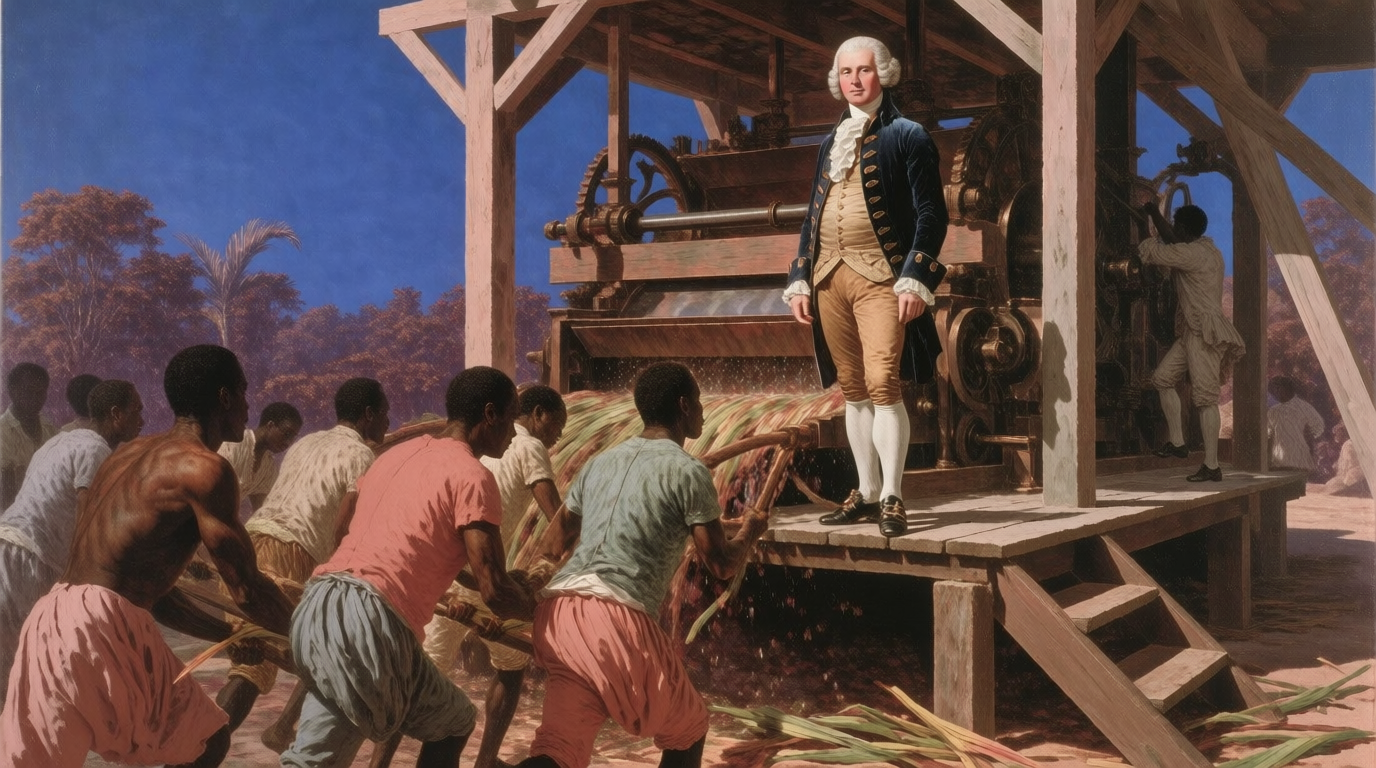
Daniel was not only a private accumulator. He became part of the public machinery of Antigua. He sat in the legislature and was described in the nineteenth-century Antiguan account as one of the most influential men of his day. He was also connected to the political violence around Governor Parke’s death: after Parke was killed, General Walter Hamilton came to Antigua and stayed with Dr. MacKinnon, who was described as one of the actors in the late affray. Later, Governor Douglas attempted to seize MacKinnon and Chief Justice Watkins for their role in the Parke affair, but they escaped to England and were eventually discharged under the Queen’s general pardon.
This matters for the character because it shows Daniel as more than greedy. He is politically dangerous. He understands that violence, law, and reputation are not separate systems. In Antigua, a man like Daniel can become legitimate after actions that would have destroyed him elsewhere, because the colony itself runs on coercion. His rise is not an accident inside the system. It is an expression of the system.
This matters for the character because it shows Daniel as more than greedy. He is politically dangerous. He understands that violence, law, and reputation are not separate systems. In Antigua, a man like Daniel can become legitimate after actions that would have destroyed him elsewhere, because the colony itself runs on coercion. His rise is not an accident inside the system. It is an expression of the system.
VI
The “Edmund Syndrome” Analysis
Daniel’s psychology can be read through what we might call the “Edmund syndrome,” using Edmund Pevensie from The Chronicles of Narnia as a literary comparison, not as a clinical diagnosis.
Edmund is the child who feels overlooked, mocked, and displaced. He is not the eldest. He does not receive automatic authority. He feels the insult of hierarchy without receiving its rewards. That produces resentment. Resentment then makes him vulnerable to the promise of specialness. He wants to be chosen. He wants to be above the others. He wants a throne because ordinary belonging feels too small.
Daniel’s version is darker because he does not enter Narnia. He enters Antigua.
The younger son problem is not that younger sons are naturally worse. The problem is structural. In aristocratic and clan systems, the eldest son is often trained to inherit, while the younger son is trained to compete. The eldest is burdened by expectation, but the younger is burdened by invisibility. If that younger son is given guidance in ethical practice, meaningful work, and emotional repair, his hunger can become constructive. If he is given only humiliation and opportunity, his hunger can become predation.
That is the difference between Edmund and Daniel. Edmund enters a world where his betrayal is confronted, where his guilt becomes visible, and where he is given a path back into relationship. Daniel enters a colonial world where resentment can be rewarded. Antigua does not heal the wound of the younger son. It monetises it. It gives him land instead of reconciliation, enslaved people instead of belonging, office instead of love, and domination instead of respect.
So Daniel becomes the anti-Edmund. He is what Edmund might have become if the White Witch’s logic had been the whole world: prove yourself by ruling, repair shame by making others small, turn exclusion into entitlement, and turn wounded pride into conquest.
Edmund is the child who feels overlooked, mocked, and displaced. He is not the eldest. He does not receive automatic authority. He feels the insult of hierarchy without receiving its rewards. That produces resentment. Resentment then makes him vulnerable to the promise of specialness. He wants to be chosen. He wants to be above the others. He wants a throne because ordinary belonging feels too small.
Daniel’s version is darker because he does not enter Narnia. He enters Antigua.
The younger son problem is not that younger sons are naturally worse. The problem is structural. In aristocratic and clan systems, the eldest son is often trained to inherit, while the younger son is trained to compete. The eldest is burdened by expectation, but the younger is burdened by invisibility. If that younger son is given guidance in ethical practice, meaningful work, and emotional repair, his hunger can become constructive. If he is given only humiliation and opportunity, his hunger can become predation.
That is the difference between Edmund and Daniel. Edmund enters a world where his betrayal is confronted, where his guilt becomes visible, and where he is given a path back into relationship. Daniel enters a colonial world where resentment can be rewarded. Antigua does not heal the wound of the younger son. It monetises it. It gives him land instead of reconciliation, enslaved people instead of belonging, office instead of love, and domination instead of respect.
So Daniel becomes the anti-Edmund. He is what Edmund might have become if the White Witch’s logic had been the whole world: prove yourself by ruling, repair shame by making others small, turn exclusion into entitlement, and turn wounded pride into conquest.
VII
The Core Character Thesis
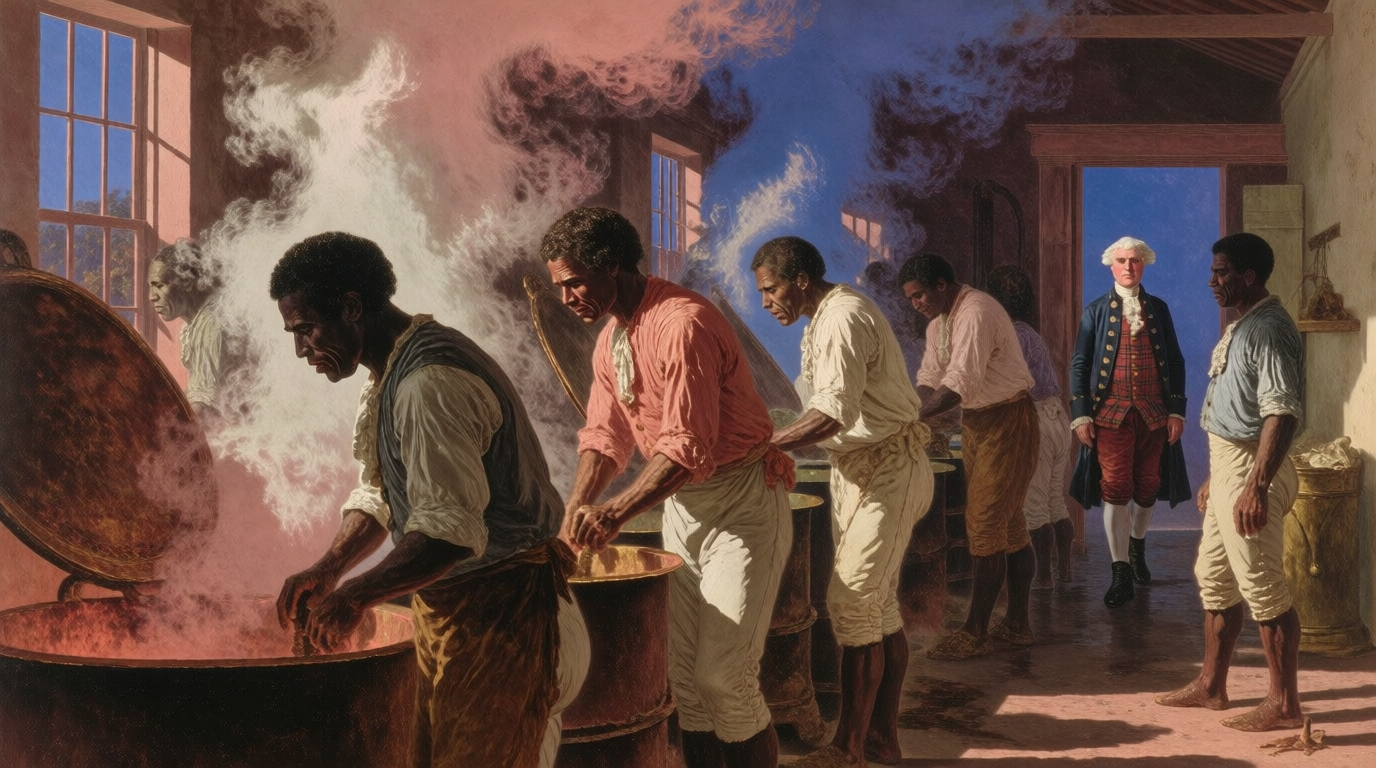
Daniel MacKinnon should be written as a man who mistakes domination for restoration.
He leaves the Highlands with a broken relationship to paternal authority. In Antigua, he rebuilds himself as father, slave master, doctor, legislator, landholder, and founder. Every role answers the original wound. The father rejected him, so he becomes the father of a new colonial branch. The clan denied him centrality, so he creates a new centre at Dickenson’s Bay. The older structure gave him no automatic reverence, so he builds a world where reverence can be forced.
That is what makes him frightening. He is not chaotic evil. He is organised resentment. He is disciplined grievance. He is a man who understands systems quickly and bends them toward himself. His medical knowledge gives him access. His legal position gives him cover. His land gives him permanence. Slavery gives him scale.
The tragedy is that Daniel’s wound does not remain personal. It becomes hereditary. By the nineteenth century, MacKinnon’s Estate still held hundreds of enslaved people. In eighteen thirty-six, the compensation claim for MacKinnon’s Estate in Antigua involved two hundred and seventy-six enslaved people and an award of three thousand nine hundred forty-two pounds, two shillings, and one penny. The estate records list two hundred and ninety-three enslaved people in eighteen seventeen, two hundred and seventy-seven in eighteen twenty-one, two hundred and seventy-eight in eighteen twenty-four, two hundred and seventy-one in eighteen twenty-eight, and two hundred and seventy-six in eighteen thirty-two.
Daniel’s personal exile therefore becomes a family economy. His need to prove himself becomes a plantation. His quarrel with his father becomes generations of inherited power. His wound becomes other people’s captivity.
He leaves the Highlands with a broken relationship to paternal authority. In Antigua, he rebuilds himself as father, slave master, doctor, legislator, landholder, and founder. Every role answers the original wound. The father rejected him, so he becomes the father of a new colonial branch. The clan denied him centrality, so he creates a new centre at Dickenson’s Bay. The older structure gave him no automatic reverence, so he builds a world where reverence can be forced.
That is what makes him frightening. He is not chaotic evil. He is organised resentment. He is disciplined grievance. He is a man who understands systems quickly and bends them toward himself. His medical knowledge gives him access. His legal position gives him cover. His land gives him permanence. Slavery gives him scale.
The tragedy is that Daniel’s wound does not remain personal. It becomes hereditary. By the nineteenth century, MacKinnon’s Estate still held hundreds of enslaved people. In eighteen thirty-six, the compensation claim for MacKinnon’s Estate in Antigua involved two hundred and seventy-six enslaved people and an award of three thousand nine hundred forty-two pounds, two shillings, and one penny. The estate records list two hundred and ninety-three enslaved people in eighteen seventeen, two hundred and seventy-seven in eighteen twenty-one, two hundred and seventy-eight in eighteen twenty-four, two hundred and seventy-one in eighteen twenty-eight, and two hundred and seventy-six in eighteen thirty-two.
Daniel’s personal exile therefore becomes a family economy. His need to prove himself becomes a plantation. His quarrel with his father becomes generations of inherited power. His wound becomes other people’s captivity.
VIII
Scotland, Slavery, and the System That Made Men Like Daniel MacKinnon
Daniel MacKinnon should not be treated as an isolated monster. He was one expression of a wider Scottish imperial pattern. Scots played a highly significant role in Caribbean plantation slavery, especially in Jamaica and the Leeward Islands. UCL’s Legacies of British Slavery project warns against careless numbers, but still concludes that Scots played a major role in Jamaican plantation slavery and that Scotland received a substantial financial dividend from enslaved labour. Another Scotland and slavery project estimates that around twenty thousand Scots went to work in the Caribbean between seventeen fifty and seventeen ninety-nine, and that in late eighteenth-century Jamaica roughly one third of the white population was Scottish. In Antigua specifically, more than half of doctors in seventeen fifty were Scottish or Scottish-trained.
That last detail is crucial for Daniel. He was not simply a Highland exile who stumbled into slavery. He belonged to a recognisable type: the medically trained, professionally ambitious Scot who entered the Caribbean as a useful servant of empire, then converted skill, literacy, law, and proximity to death into property. Scottish doctors, lawyers, factors, merchants, and overseers were valuable because slavery needed more than whips. It needed paperwork, credit, inheritance law, medicine, estate management, shipping, discipline, and social respectability. Daniel’s career fits that architecture exactly.
The plantation world gave men like him a shortcut around older hierarchies. In Scotland, birth order, clan rank, inheritance, and seniority limited him. In Antigua, violence could accelerate social promotion. A younger son, a ship’s surgeon, or a professional outsider could become a landholder by attaching himself to the machinery of death and extraction. Daniel’s alleged method of accumulation, through medical access, estate administration, inheritance, and the displacement of poorer settlers, shows how colonial society rewarded predation when it was dressed in professional form. The hostile accounts against him may be polemical, but they describe a recognisable colonial pattern: a man arrives without ancestral land, enters the intimate spaces of sickness and dependency, and emerges with land, enslaved labour, and public authority.
This is why some Scottish enslavers could become especially brutal. Not because Scots were uniquely evil by blood, but because the system offered displaced, ambitious men a terrifying bargain: you can compensate for humiliation at home by becoming master abroad. Scotland in the eighteenth century was being transformed by Atlantic slavery. T. M. Devine argues that the Atlantic slave-based economies were fundamental to Scotland’s eighteenth-century transformation, especially through markets, raw materials, capital transfers, and investment. At the same time, after abolition, Britain paid twenty million pounds in compensation to former slave owners, not to the formerly enslaved. The UCL database identifies more than forty thousand slave owners in the British Caribbean, Mauritius, and the Cape at the moment of abolition.
Daniel is therefore not an exception to the system. He is the system made personal. The younger son’s wound, the Scottish hunger for advancement, the collapse of clan-based belonging, the professional route into empire, and the Caribbean plantation economy all meet in him. Antigua does not create his resentment from nothing. It gives that resentment instruments: land, medicine, law, racial hierarchy, and enslaved human beings.
That last detail is crucial for Daniel. He was not simply a Highland exile who stumbled into slavery. He belonged to a recognisable type: the medically trained, professionally ambitious Scot who entered the Caribbean as a useful servant of empire, then converted skill, literacy, law, and proximity to death into property. Scottish doctors, lawyers, factors, merchants, and overseers were valuable because slavery needed more than whips. It needed paperwork, credit, inheritance law, medicine, estate management, shipping, discipline, and social respectability. Daniel’s career fits that architecture exactly.
The plantation world gave men like him a shortcut around older hierarchies. In Scotland, birth order, clan rank, inheritance, and seniority limited him. In Antigua, violence could accelerate social promotion. A younger son, a ship’s surgeon, or a professional outsider could become a landholder by attaching himself to the machinery of death and extraction. Daniel’s alleged method of accumulation, through medical access, estate administration, inheritance, and the displacement of poorer settlers, shows how colonial society rewarded predation when it was dressed in professional form. The hostile accounts against him may be polemical, but they describe a recognisable colonial pattern: a man arrives without ancestral land, enters the intimate spaces of sickness and dependency, and emerges with land, enslaved labour, and public authority.
This is why some Scottish enslavers could become especially brutal. Not because Scots were uniquely evil by blood, but because the system offered displaced, ambitious men a terrifying bargain: you can compensate for humiliation at home by becoming master abroad. Scotland in the eighteenth century was being transformed by Atlantic slavery. T. M. Devine argues that the Atlantic slave-based economies were fundamental to Scotland’s eighteenth-century transformation, especially through markets, raw materials, capital transfers, and investment. At the same time, after abolition, Britain paid twenty million pounds in compensation to former slave owners, not to the formerly enslaved. The UCL database identifies more than forty thousand slave owners in the British Caribbean, Mauritius, and the Cape at the moment of abolition.
Daniel is therefore not an exception to the system. He is the system made personal. The younger son’s wound, the Scottish hunger for advancement, the collapse of clan-based belonging, the professional route into empire, and the Caribbean plantation economy all meet in him. Antigua does not create his resentment from nothing. It gives that resentment instruments: land, medicine, law, racial hierarchy, and enslaved human beings.
VIV
The Colonial Cadet Line That Came Back and Colonised the Clan
The most disturbing historical irony is that Daniel’s line did not remain a colonial offshoot. It returned, over a century later, to claim the centre.
The senior Gaelic line of the MacKinnon chiefs failed when the last chief of that direct line died without issue in eighteen eight. The chiefship then passed to the Antigua-descended branch, the descendants of Lachlan Mor’s second son, Donald or Daniel. William Alexander MacKinnon, descended from the Antigua plantation family, became chief after his grandfather’s death in eighteen nine. Sources record that Daniel MacKinnon, William Alexander’s great-great-grandfather, and the intervening generations of the family owned estates and enslaved people in Antigua. William Alexander himself received part of the compensation connected to hundreds of enslaved people on the MacKinnon Estate after abolition.
This is where the story becomes symbolically violent. The cadet line leaves the clan after rupture, enters the Caribbean, accumulates wealth through slavery, and then returns with enough money and status to occupy the very position from which its founder had once been displaced. The wound comes back wearing a chief’s title.
Walter Scott’s description of William Alexander MacKinnon is almost too perfect for this theme. In eighteen ten, Scott described him as “born and bred in England, but nevertheless a Highland chief,” visiting the Highlands for the first time and eager to buy back family property that had long since been sold. That sentence captures the whole contradiction: a man culturally removed from Gaelic clan life, enriched by colonial inheritance, returning to purchase ancestral legitimacy.
The Antigua Sugar Mills project states that William Alexander MacKinnon was already wealthy from West Indian success and used some of that money to repurchase MacKinnon lands in Scotland. The clan history also notes that the old MacKinnon lands had been lost, with the remaining estate sold by seventeen ninety-one, and that the Highland Clearances later scattered families from ancestral homes.
We should be careful here: I would not claim, without a direct estate record, that William Alexander personally carried out a famous MacKinnon clearance on the scale of Sutherland or Gordon of Cluny. The stronger argument is structural. The same Atlantic money that had been made through the domination of enslaved people was now available to re-enter Highland landholding at the exact historical moment when chiefs and landlords were being transformed from kin-leaders into property owners. The Highland Clearances were driven by landlord power, debt, “improvement,” rent maximisation, and the replacement of people by more profitable sheep or other uses of land. Britannica describes the Clearances as forced evictions beginning in the mid-to-late eighteenth century and continuing into the nineteenth, clearing land largely for sheep pastoralism and destroying traditional clan society.
That is the deeper pattern: the clan had once been a system of mutual identity, however hierarchical and imperfect. By the nineteenth century, the chief could become an absentee proprietor, a parliamentary gentleman, a colonial investor, and a symbolic Highlander in tartan. The people became tenants. The land became capital. The name became a brand. The ancestral relationship was hollowed out and replaced by ownership.
This is Daniel’s revenge extended across generations. He does not merely leave the clan. His descendants return with slave wealth and buy back the symbols of clan authority. The colonial cadet line colonises the clan itself. It takes the wound of exclusion and answers it not with reconciliation, but with possession.
That is why the Edmund comparison still works. Edmund wants a throne because he feels small. Daniel wants dominion because he feels denied. But Edmund is interrupted by shame, loyalty, and a better world. He is given an exit. Daniel is not interrupted. Antigua rewards the wound. His descendants inherit the reward. Then the reward returns to the Highlands and dresses itself as ancient legitimacy.
The result is morally brutal: humiliation becomes ambition, ambition becomes slavery, slavery becomes wealth, wealth becomes land, land becomes chiefship, and chiefship becomes power over the descendants of the very people whose name Daniel once carried. This is resentment at dynastic scale. It does not only punish strangers. Eventually, it comes home.
The senior Gaelic line of the MacKinnon chiefs failed when the last chief of that direct line died without issue in eighteen eight. The chiefship then passed to the Antigua-descended branch, the descendants of Lachlan Mor’s second son, Donald or Daniel. William Alexander MacKinnon, descended from the Antigua plantation family, became chief after his grandfather’s death in eighteen nine. Sources record that Daniel MacKinnon, William Alexander’s great-great-grandfather, and the intervening generations of the family owned estates and enslaved people in Antigua. William Alexander himself received part of the compensation connected to hundreds of enslaved people on the MacKinnon Estate after abolition.
This is where the story becomes symbolically violent. The cadet line leaves the clan after rupture, enters the Caribbean, accumulates wealth through slavery, and then returns with enough money and status to occupy the very position from which its founder had once been displaced. The wound comes back wearing a chief’s title.
Walter Scott’s description of William Alexander MacKinnon is almost too perfect for this theme. In eighteen ten, Scott described him as “born and bred in England, but nevertheless a Highland chief,” visiting the Highlands for the first time and eager to buy back family property that had long since been sold. That sentence captures the whole contradiction: a man culturally removed from Gaelic clan life, enriched by colonial inheritance, returning to purchase ancestral legitimacy.
The Antigua Sugar Mills project states that William Alexander MacKinnon was already wealthy from West Indian success and used some of that money to repurchase MacKinnon lands in Scotland. The clan history also notes that the old MacKinnon lands had been lost, with the remaining estate sold by seventeen ninety-one, and that the Highland Clearances later scattered families from ancestral homes.
We should be careful here: I would not claim, without a direct estate record, that William Alexander personally carried out a famous MacKinnon clearance on the scale of Sutherland or Gordon of Cluny. The stronger argument is structural. The same Atlantic money that had been made through the domination of enslaved people was now available to re-enter Highland landholding at the exact historical moment when chiefs and landlords were being transformed from kin-leaders into property owners. The Highland Clearances were driven by landlord power, debt, “improvement,” rent maximisation, and the replacement of people by more profitable sheep or other uses of land. Britannica describes the Clearances as forced evictions beginning in the mid-to-late eighteenth century and continuing into the nineteenth, clearing land largely for sheep pastoralism and destroying traditional clan society.
That is the deeper pattern: the clan had once been a system of mutual identity, however hierarchical and imperfect. By the nineteenth century, the chief could become an absentee proprietor, a parliamentary gentleman, a colonial investor, and a symbolic Highlander in tartan. The people became tenants. The land became capital. The name became a brand. The ancestral relationship was hollowed out and replaced by ownership.
This is Daniel’s revenge extended across generations. He does not merely leave the clan. His descendants return with slave wealth and buy back the symbols of clan authority. The colonial cadet line colonises the clan itself. It takes the wound of exclusion and answers it not with reconciliation, but with possession.
That is why the Edmund comparison still works. Edmund wants a throne because he feels small. Daniel wants dominion because he feels denied. But Edmund is interrupted by shame, loyalty, and a better world. He is given an exit. Daniel is not interrupted. Antigua rewards the wound. His descendants inherit the reward. Then the reward returns to the Highlands and dresses itself as ancient legitimacy.
The result is morally brutal: humiliation becomes ambition, ambition becomes slavery, slavery becomes wealth, wealth becomes land, land becomes chiefship, and chiefship becomes power over the descendants of the very people whose name Daniel once carried. This is resentment at dynastic scale. It does not only punish strangers. Eventually, it comes home.
VV
The Highlands Were Not Simply “Scotland”
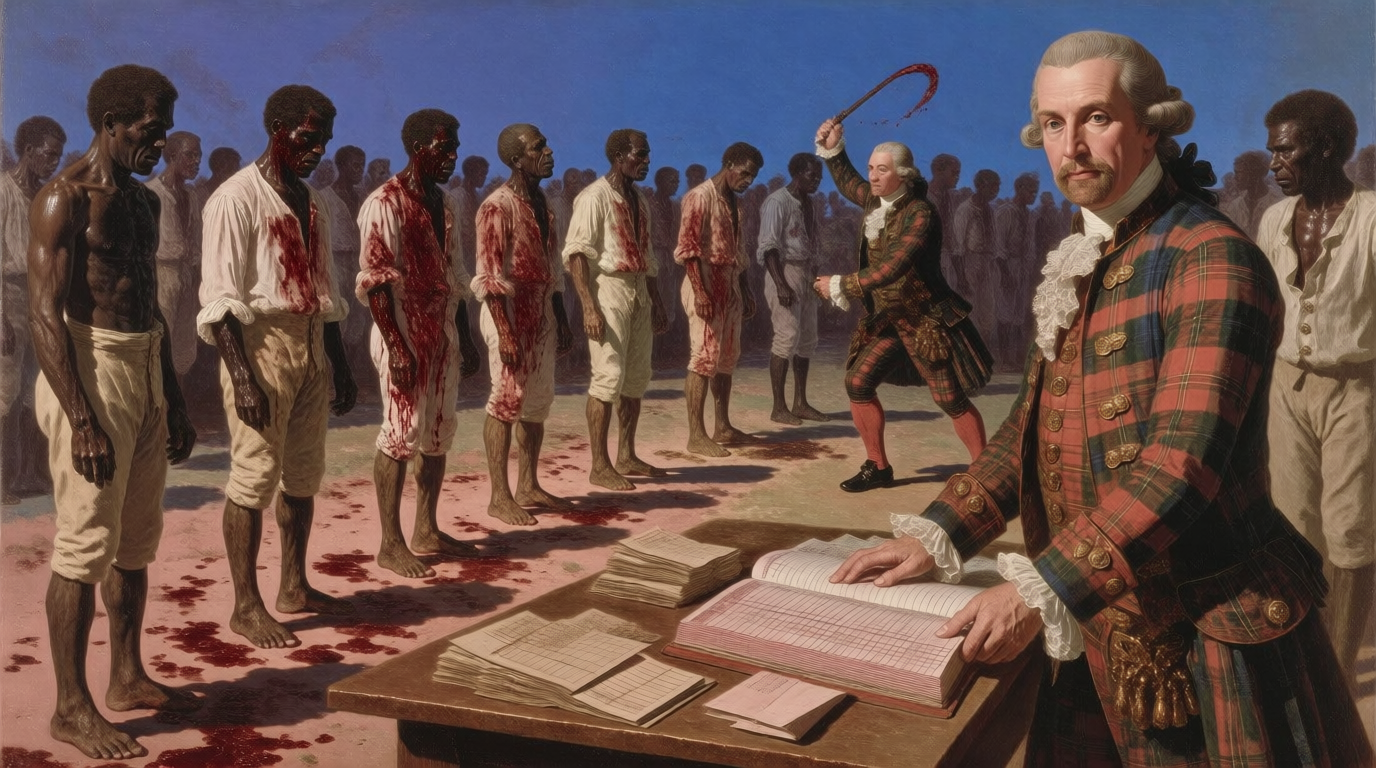
Daniel MacKinnon did not come from “Scotland” in the broad, flat sense. He came from the Gaelic Highlands, a world that must be distinguished from Lowland Scotland. Politically, the Highlands were part of Scotland. Culturally, socially, and psychologically, they were not the same world as Glasgow, Edinburgh, or the Lowland mercantile class. By the middle of the sixteenth century, the area north of the Forth was divided between Gaelic-speaking Highlanders and Scots-speaking Lowlanders, with different lifestyles, economic strategies, and social identities. The Scottish Archaeological Research Framework also identifies the clan system as one of the fundamental structures of Scottish identity formation, combining kinship, power, ambition, and military expression. That distinction matters because Atlantic slavery was not distributed evenly across Scotland. The greatest commercial machinery of Scottish slavery was centred in places like Glasgow and west-central Scotland, where West India merchants, credit networks, banks, textile interests, and shipping systems converted Caribbean slavery into Scottish economic power. Stephen Mullen’s work on the Glasgow sugar aristocracy argues that Glasgow’s West India commerce underpinned the city’s rise as a commercial centre and had a more decisive regional impact than any other British Atlantic outport. The Highlands were not innocent. That would be another false myth. David Alston’s Slaves and Highlanders directly studies the role played by people from the north of Scotland in the slave trade and Caribbean plantations, including the exploitation of enslaved Africans, the fortunes made, and the impact of those fortunes on Highland history.
But the Highland relationship to slavery was often different from the Lowland one. The Lowland relationship was heavily commercial, urban, banking-based, and industrial. The Highland relationship was often routed through migration, military service, medicine, estate management, younger sons, clan displacement, and returned colonial money.
This is what makes Daniel MacKinnon so important. He is not just another Scottish planter. He is a Gaelic clan man who exits a clan world and enters the plantation world. He carries the psychology of the Highlands into the machinery of Atlantic slavery. That means his story is not simply about greed. It is about cultural translation: clan hierarchy becomes racial hierarchy; personal exile becomes colonial mastery; the hunger for status becomes ownership of human beings.
Daniel’s medical identity also fits a wider Scottish pattern. Research on Scots doctors in the West Indies notes that Scottish medical networks helped recruit doctors to Caribbean plantations, and that medical practice could lead to considerable wealth, both through professional work and through diversification into West Indian profits.
This makes Daniel’s role especially revealing. He did not enter Antigua as a great inherited landlord. He entered through usefulness. He became valuable to the colonial system before becoming powerful inside it.
So the point is not that Highlanders were naturally less capable of brutality. The point is that the Gaelic clan world gave Daniel a particular wound, and the plantation world gave him a particular weapon. In the clan, he was a younger son beneath a father and beneath the senior line. In Antigua, he could become the founder. In the Highlands, respect was mediated by birth, inheritance, kinship, and chiefly authority. In Antigua, respect could be manufactured through money, land, law, medicine, and enslaved labour.
That is why his case is more disturbing than a simple Lowland merchant story. A Glasgow sugar merchant turns commerce into slavery wealth. Daniel turns personal displacement into slavery power. He comes from a people who would themselves later experience dispossession, clearance, cultural suppression, and landlord violence. Yet instead of developing solidarity with the vulnerable, he learns the logic of domination and uses it first on enslaved Africans, then, through his descendants, against the very symbolic world from which he came.
This is the deepest irony of Daniel MacKinnon: the Highland son who felt denied by the clan became the ancestor of a colonial line that later returned with slave wealth to occupy the clan’s centre. His story shows how humiliation does not automatically create compassion. Under the wrong system, humiliation can become a training ground for cruelty. Like Edmund in Narnia, the younger child wants to matter, wants recognition, wants a throne. But Daniel does not find a redemptive world that interrupts his resentment. He finds Antigua. And Antigua teaches him that the fastest route from shame to power is domination.
But the Highland relationship to slavery was often different from the Lowland one. The Lowland relationship was heavily commercial, urban, banking-based, and industrial. The Highland relationship was often routed through migration, military service, medicine, estate management, younger sons, clan displacement, and returned colonial money.
This is what makes Daniel MacKinnon so important. He is not just another Scottish planter. He is a Gaelic clan man who exits a clan world and enters the plantation world. He carries the psychology of the Highlands into the machinery of Atlantic slavery. That means his story is not simply about greed. It is about cultural translation: clan hierarchy becomes racial hierarchy; personal exile becomes colonial mastery; the hunger for status becomes ownership of human beings.
Daniel’s medical identity also fits a wider Scottish pattern. Research on Scots doctors in the West Indies notes that Scottish medical networks helped recruit doctors to Caribbean plantations, and that medical practice could lead to considerable wealth, both through professional work and through diversification into West Indian profits.
This makes Daniel’s role especially revealing. He did not enter Antigua as a great inherited landlord. He entered through usefulness. He became valuable to the colonial system before becoming powerful inside it.
So the point is not that Highlanders were naturally less capable of brutality. The point is that the Gaelic clan world gave Daniel a particular wound, and the plantation world gave him a particular weapon. In the clan, he was a younger son beneath a father and beneath the senior line. In Antigua, he could become the founder. In the Highlands, respect was mediated by birth, inheritance, kinship, and chiefly authority. In Antigua, respect could be manufactured through money, land, law, medicine, and enslaved labour.
That is why his case is more disturbing than a simple Lowland merchant story. A Glasgow sugar merchant turns commerce into slavery wealth. Daniel turns personal displacement into slavery power. He comes from a people who would themselves later experience dispossession, clearance, cultural suppression, and landlord violence. Yet instead of developing solidarity with the vulnerable, he learns the logic of domination and uses it first on enslaved Africans, then, through his descendants, against the very symbolic world from which he came.
This is the deepest irony of Daniel MacKinnon: the Highland son who felt denied by the clan became the ancestor of a colonial line that later returned with slave wealth to occupy the clan’s centre. His story shows how humiliation does not automatically create compassion. Under the wrong system, humiliation can become a training ground for cruelty. Like Edmund in Narnia, the younger child wants to matter, wants recognition, wants a throne. But Daniel does not find a redemptive world that interrupts his resentment. He finds Antigua. And Antigua teaches him that the fastest route from shame to power is domination.
VVI
The Silence After the Colonial Line Took Control
The silence around the MacKinnon slaveholding past is not a simple absence. It is a structure. It is not that no one has ever mentioned slavery at all. The modern Clan MacKinnon Society has an equity statement saying it is aware of “a report that a MacKinnon forebear was engaged in the slave trade” and denounces that activity and racial discrimination. But that statement remains general. It does not name Dr. Daniel MacKinnon, William Alexander MacKinnon, the Antigua estate, the enslaved people, the compensation money, or the fact that the Antigua-descended colonial line became the chiefly line in eighteen nine.
That difference matters. A vague acknowledgement protects the institution. A full reckoning would destabilise the story. The official clan-history style narrative can still move from ancient Gaelic origins, Dalriada, Iona, Jacobitism, poverty, the loss of patrimony, and the Highland Clearances, without fully integrating the Antigua plantation line into the moral centre of the clan story. The clan history page says the last patrimony was sold in seventeen ninety-one, that the clan lost leadership to emigration, and that the Clearances scattered MacKinnons around the globe. But the same kind of public-facing history does not place the slaveholding Antigua branch at the centre of that nineteenth-century transformation.
This is the complexity: the colonial line did not merely inherit the chiefship. It inherited the authority to narrate the clan.
Once William Alexander MacKinnon became the thirty-third chief in eighteen nine, the problem changed. Slavery was no longer an external stain attached to a distant cadet branch. It became part of the chiefly line itself. People Australia’s biographical entry states that William Alexander’s father, grandfather, great-grandfather, and great-great-grandfather Daniel all owned estates and enslaved people in Antigua, and that William Alexander and his aunt received compensation connected to two hundred and seventy-nine enslaved people on the MacKinnon Estate.
So the silence is not only about race. It is about legitimacy. If the clan admits that the colonial branch rose through slavery, then the modern chiefly line is forced to confront the fact that its authority was not simply preserved through ancient Gaelic continuity. It was also rebuilt through Atlantic violence.
That difference matters. A vague acknowledgement protects the institution. A full reckoning would destabilise the story. The official clan-history style narrative can still move from ancient Gaelic origins, Dalriada, Iona, Jacobitism, poverty, the loss of patrimony, and the Highland Clearances, without fully integrating the Antigua plantation line into the moral centre of the clan story. The clan history page says the last patrimony was sold in seventeen ninety-one, that the clan lost leadership to emigration, and that the Clearances scattered MacKinnons around the globe. But the same kind of public-facing history does not place the slaveholding Antigua branch at the centre of that nineteenth-century transformation.
This is the complexity: the colonial line did not merely inherit the chiefship. It inherited the authority to narrate the clan.
Once William Alexander MacKinnon became the thirty-third chief in eighteen nine, the problem changed. Slavery was no longer an external stain attached to a distant cadet branch. It became part of the chiefly line itself. People Australia’s biographical entry states that William Alexander’s father, grandfather, great-grandfather, and great-great-grandfather Daniel all owned estates and enslaved people in Antigua, and that William Alexander and his aunt received compensation connected to two hundred and seventy-nine enslaved people on the MacKinnon Estate.
So the silence is not only about race. It is about legitimacy. If the clan admits that the colonial branch rose through slavery, then the modern chiefly line is forced to confront the fact that its authority was not simply preserved through ancient Gaelic continuity. It was also rebuilt through Atlantic violence.
VVII
The Colonial Capture of Clan Memory
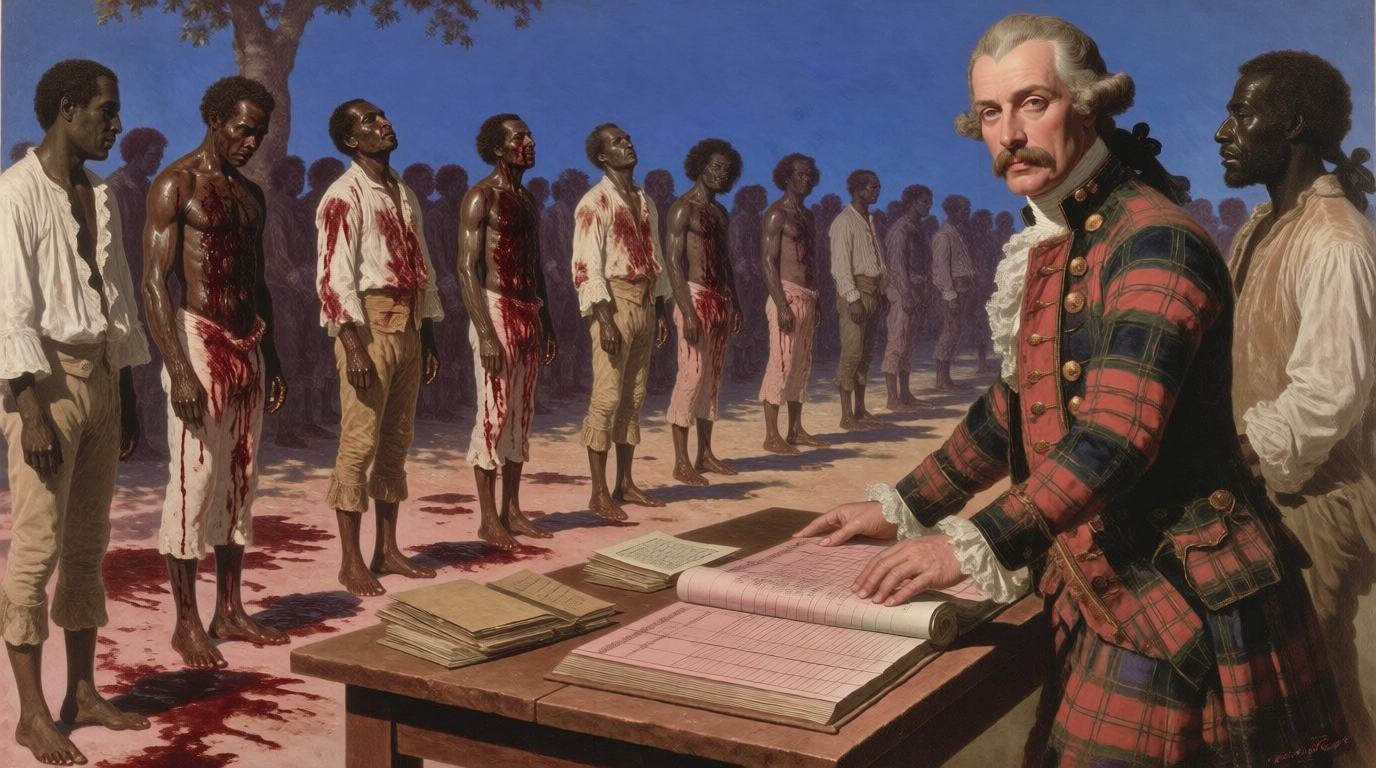
The colonial line’s greatest victory was not only economic. It was narrative.
Daniel MacKinnon’s descendants did not just own land in Antigua. They eventually occupied the symbolic centre of the clan. That meant they could present themselves as restorers of ancient dignity rather than beneficiaries of plantation violence. The story becomes: the old lands were lost, the clan suffered, the line survived abroad, and the chiefship returned with renewed status. What disappears is the mechanism: slavery wealth, compensation, plantation inheritance, and colonial office.
This is how history gets damaged without needing to be physically destroyed. The archive is narrowed. The heroic parts are repeated. The shameful parts are made vague. The Gaelic past is romanticised, while the Black Antiguan presence is treated as peripheral. The clan is invited to remember chiefs, tartans, Jacobites, abbots, lands, and exile. It is not equally invited to remember the enslaved people whose labour helped turn an exiled cadet line into a powerful colonial family.
That is why the phrase “a MacKinnon forebear” is not enough. It creates distance where the evidence shows continuity. Daniel was not a random ancestor. He was the founder of the Antigua line. His descendants continued to own estates and enslaved people. One of those descendants became chief. Another part of the same estate history appears in the compensation records, where MacKinnon’s Estate received three thousand nine hundred forty-two pounds, two shillings, and one penny for the loss of enslaved labour after abolition.
The enslaved are counted precisely when money is being claimed. They become vague when memory is being managed.
Daniel MacKinnon’s descendants did not just own land in Antigua. They eventually occupied the symbolic centre of the clan. That meant they could present themselves as restorers of ancient dignity rather than beneficiaries of plantation violence. The story becomes: the old lands were lost, the clan suffered, the line survived abroad, and the chiefship returned with renewed status. What disappears is the mechanism: slavery wealth, compensation, plantation inheritance, and colonial office.
This is how history gets damaged without needing to be physically destroyed. The archive is narrowed. The heroic parts are repeated. The shameful parts are made vague. The Gaelic past is romanticised, while the Black Antiguan presence is treated as peripheral. The clan is invited to remember chiefs, tartans, Jacobites, abbots, lands, and exile. It is not equally invited to remember the enslaved people whose labour helped turn an exiled cadet line into a powerful colonial family.
That is why the phrase “a MacKinnon forebear” is not enough. It creates distance where the evidence shows continuity. Daniel was not a random ancestor. He was the founder of the Antigua line. His descendants continued to own estates and enslaved people. One of those descendants became chief. Another part of the same estate history appears in the compensation records, where MacKinnon’s Estate received three thousand nine hundred forty-two pounds, two shillings, and one penny for the loss of enslaved labour after abolition.
The enslaved are counted precisely when money is being claimed. They become vague when memory is being managed.
VVIII
Why Was This Continued?
It was continued because the clan system itself had changed.
In the older Gaelic world, a chief was not merely a private landlord. He was embedded in kinship, obligation, military protection, honour, and reciprocal identity, even if that system was hierarchical and often violent. By the nineteenth century, many chiefs and heirs had become modern landlords, imperial gentlemen, politicians, absentee proprietors, and estate owners. The emotional language of clan survived, but the material structure had changed.
That made the colonial line’s return possible. If land could be bought, legitimacy could be bought. If chiefship could be inherited through genealogical claim, then colonial wealth could dress itself in ancient blood. If the wider clan had already been weakened by poverty, emigration, sold patrimony, and the Clearances, there was less collective power to contest the narrative.
This is not only a MacKinnon problem. A report on plantation slavery and landownership in the west Highlands and Islands found that significant direct and indirect beneficiaries of slavery made at least sixty-three estate purchases there between seventeen twenty-six and nineteen thirty-nine, with the majority between seventeen ninety and eighteen fifty-five, the main period of the Highland Clearances. The report estimates that more than one third of the west Highlands and Islands was sold into the hands of people directly or indirectly enriched by slavery.
That wider pattern explains the MacKinnon case. Slave wealth did not simply stay in the Caribbean. It came back into Britain. It bought land, status, education, marriages, institutions, and memory. In the Highlands, it entered a society already destabilised by debt, landlordism, war, agricultural “improvement,” and mass displacement. Plantation capital and Highland dispossession were not separate stories. They touched each other.
In the older Gaelic world, a chief was not merely a private landlord. He was embedded in kinship, obligation, military protection, honour, and reciprocal identity, even if that system was hierarchical and often violent. By the nineteenth century, many chiefs and heirs had become modern landlords, imperial gentlemen, politicians, absentee proprietors, and estate owners. The emotional language of clan survived, but the material structure had changed.
That made the colonial line’s return possible. If land could be bought, legitimacy could be bought. If chiefship could be inherited through genealogical claim, then colonial wealth could dress itself in ancient blood. If the wider clan had already been weakened by poverty, emigration, sold patrimony, and the Clearances, there was less collective power to contest the narrative.
This is not only a MacKinnon problem. A report on plantation slavery and landownership in the west Highlands and Islands found that significant direct and indirect beneficiaries of slavery made at least sixty-three estate purchases there between seventeen twenty-six and nineteen thirty-nine, with the majority between seventeen ninety and eighteen fifty-five, the main period of the Highland Clearances. The report estimates that more than one third of the west Highlands and Islands was sold into the hands of people directly or indirectly enriched by slavery.
That wider pattern explains the MacKinnon case. Slave wealth did not simply stay in the Caribbean. It came back into Britain. It bought land, status, education, marriages, institutions, and memory. In the Highlands, it entered a society already destabilised by debt, landlordism, war, agricultural “improvement,” and mass displacement. Plantation capital and Highland dispossession were not separate stories. They touched each other.
VIX
More Complexity: Victimhood Does Not Guarantee Innocence
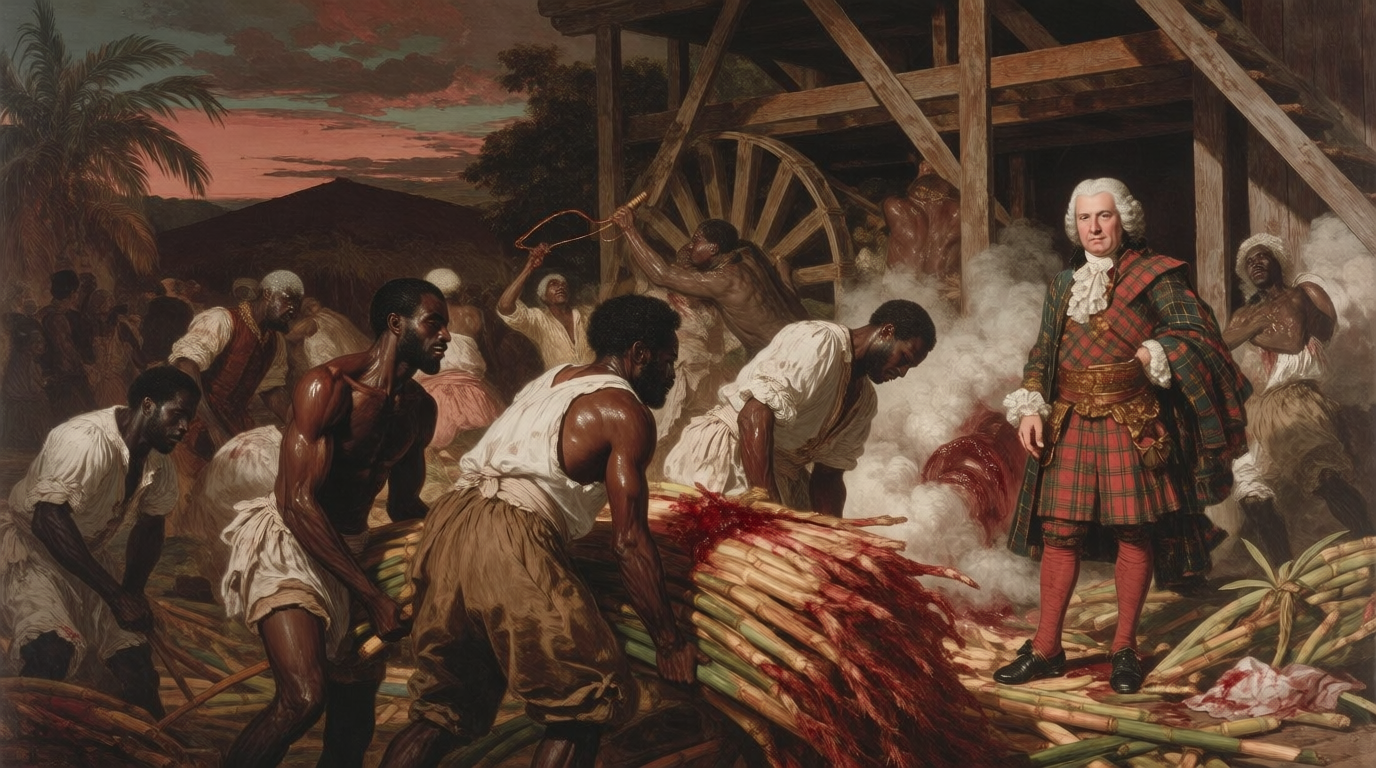
This is the hardest part. The Gaelic Highlands suffered real violence: cultural suppression, economic pressure, land loss, forced migration, and clearance. But suffering does not automatically create justice. A people can be wounded and still produce men who wound others. A dispossessed man can become a dispossessor. A humiliated son can become a tyrant.
Daniel MacKinnon matters because he exposes that. He came from a clan world where he appears to have experienced rupture, exclusion, or humiliation, but also from a wider Gaelic world already under pressure from expanding English power, dynastic conflict, and the wars that were reshaping Scotland and the Highlands. Yet instead of that wound producing solidarity with the vulnerable, it became a hunger for domination. Antigua gave him the tools to turn resentment into authority. His descendants then carried the fruits of that violence back into the clan structure itself.
That is why the Edmund comparison is still useful. Edmund is not born evil. He is insecure, resentful, overlooked, and hungry to be special. The danger comes when that hunger meets a system that rewards betrayal. In Narnia, Edmund is interrupted before resentment becomes destiny. Daniel is not interrupted. The plantation world rewards him. It teaches him that wounded pride can be converted into ownership.
Slave owners were once people. That is what makes them more frightening, not less. They were not born as symbols. They became what they became through choices, systems, rewards, silences, and repeated acts of moral surrender. Daniel’s story shows how a human wound can become an imperial machine.
The later clan silence is part of that same machine. It protects the heroic self-image from the full cost of its own survival. It lets the clan mourn the Clearances without asking how colonial wealth entered Highland landownership. It lets the chiefly line appear ancient without asking what Antigua paid for that restoration. It lets Daniel remain a founder instead of being named as a slave owner.
The real reckoning would have to say this clearly: the colonial MacKinnon line did not only participate in slavery. It used the power produced by slavery to return to the symbolic centre of the clan, while the memory of the enslaved remained marginal. That is not just family history. It is colonised memory.
Daniel MacKinnon matters because he exposes that. He came from a clan world where he appears to have experienced rupture, exclusion, or humiliation, but also from a wider Gaelic world already under pressure from expanding English power, dynastic conflict, and the wars that were reshaping Scotland and the Highlands. Yet instead of that wound producing solidarity with the vulnerable, it became a hunger for domination. Antigua gave him the tools to turn resentment into authority. His descendants then carried the fruits of that violence back into the clan structure itself.
That is why the Edmund comparison is still useful. Edmund is not born evil. He is insecure, resentful, overlooked, and hungry to be special. The danger comes when that hunger meets a system that rewards betrayal. In Narnia, Edmund is interrupted before resentment becomes destiny. Daniel is not interrupted. The plantation world rewards him. It teaches him that wounded pride can be converted into ownership.
Slave owners were once people. That is what makes them more frightening, not less. They were not born as symbols. They became what they became through choices, systems, rewards, silences, and repeated acts of moral surrender. Daniel’s story shows how a human wound can become an imperial machine.
The later clan silence is part of that same machine. It protects the heroic self-image from the full cost of its own survival. It lets the clan mourn the Clearances without asking how colonial wealth entered Highland landownership. It lets the chiefly line appear ancient without asking what Antigua paid for that restoration. It lets Daniel remain a founder instead of being named as a slave owner.
The real reckoning would have to say this clearly: the colonial MacKinnon line did not only participate in slavery. It used the power produced by slavery to return to the symbolic centre of the clan, while the memory of the enslaved remained marginal. That is not just family history. It is colonised memory.
VX
Daniel’s Line Was Not the Whole Clan
It is essential to be precise: Dr. Daniel MacKinnon’s line was one line. It was not the clan as a whole. It was not representative of all MacKinnons, all Highlanders, or all Gaelic people. Daniel’s story should never be used to flatten the clan into one inherited guilt. The violence belonged to a particular colonial branch, to particular people, making particular choices inside a particular imperial system.
But that distinction cannot become an excuse for silence. In fact, it makes silence more dangerous. If the colonial line captured the chiefship, the land, the public memory, and the authority to tell the clan story, then the rest of the clan has even more reason to look directly at what happened. Daniel did not represent everyone. He colonised the structure. He turned one wounded cadet line into a plantation dynasty, and that dynasty eventually entered the symbolic centre of the clan.
That means the answer is not collective shame. The answer is collective clarity. The clan does not need to pretend that every MacKinnon was Daniel. But it also cannot pretend that Daniel was peripheral. He was not the whole clan, but his line was allowed to shape the clan’s official memory. That is exactly why the silence must end.
Never look away.
Not because every descendant is guilty. Not because blood carries moral stain. But because silence protects the version of history created by the people who benefited most from hiding it. To look away is to let the colonial line keep narrating the clan. To look directly is to return the truth to everyone, including the dispossessed Gaels, the scattered clan families, and the enslaved Antiguans whose lives were converted into MacKinnon wealth.
But that distinction cannot become an excuse for silence. In fact, it makes silence more dangerous. If the colonial line captured the chiefship, the land, the public memory, and the authority to tell the clan story, then the rest of the clan has even more reason to look directly at what happened. Daniel did not represent everyone. He colonised the structure. He turned one wounded cadet line into a plantation dynasty, and that dynasty eventually entered the symbolic centre of the clan.
That means the answer is not collective shame. The answer is collective clarity. The clan does not need to pretend that every MacKinnon was Daniel. But it also cannot pretend that Daniel was peripheral. He was not the whole clan, but his line was allowed to shape the clan’s official memory. That is exactly why the silence must end.
Never look away.
Not because every descendant is guilty. Not because blood carries moral stain. But because silence protects the version of history created by the people who benefited most from hiding it. To look away is to let the colonial line keep narrating the clan. To look directly is to return the truth to everyone, including the dispossessed Gaels, the scattered clan families, and the enslaved Antiguans whose lives were converted into MacKinnon wealth.
VXI
Ethics, Not Morals
This story also requires a distinction between morals and ethics. “Morals” often means the code imposed from above: the rules society claims are right because the church, the state, the chief, the father, the empire, or the law says so. Morality can become a costume for authority. It can bless hierarchy. It can make domination look respectable. It can tell people that obedience is goodness and that power is proof of virtue.
That is why slave owners could possess moral authority while having no ethics. They could be legislators, doctors, husbands, fathers, churchmen, landowners, and chiefs. Society could call them honourable. The law could protect them. The economy could reward them. Their peers could praise them. Their portraits could hang on walls. Their names could be preserved in genealogies. That is moral authority from above.
But ethics is different. Ethics asks what is actually being done. Who is harmed? Who benefits? Who has power? Who has no choice? What practices are repeated? What does the system require in order to function? What truth is being hidden? Ethics does not ask whether Daniel was respectable in his own society. Ethics asks what his respectability was built on.
By that standard, the slave owners had no ethics. They had status, law, religion, office, inheritance, and social permission. But they had no ethical ground, because their power required the destruction of other people’s freedom. They were given moral authority by a corrupt world, but ethical assessment exposes the mechanism beneath that authority.
That distinction matters for the clan story. A moral version of the story says: he was a chief’s descendant, a doctor, a legislator, a founder, a man of rank. An ethical version says: he used colonial systems to accumulate power through slavery, land, law, and domination, and his descendants carried that power back into the clan structure.
Morality, when controlled by power, can protect the enslaver. Ethics names the enslaved.
That is why slave owners could possess moral authority while having no ethics. They could be legislators, doctors, husbands, fathers, churchmen, landowners, and chiefs. Society could call them honourable. The law could protect them. The economy could reward them. Their peers could praise them. Their portraits could hang on walls. Their names could be preserved in genealogies. That is moral authority from above.
But ethics is different. Ethics asks what is actually being done. Who is harmed? Who benefits? Who has power? Who has no choice? What practices are repeated? What does the system require in order to function? What truth is being hidden? Ethics does not ask whether Daniel was respectable in his own society. Ethics asks what his respectability was built on.
By that standard, the slave owners had no ethics. They had status, law, religion, office, inheritance, and social permission. But they had no ethical ground, because their power required the destruction of other people’s freedom. They were given moral authority by a corrupt world, but ethical assessment exposes the mechanism beneath that authority.
That distinction matters for the clan story. A moral version of the story says: he was a chief’s descendant, a doctor, a legislator, a founder, a man of rank. An ethical version says: he used colonial systems to accumulate power through slavery, land, law, and domination, and his descendants carried that power back into the clan structure.
Morality, when controlled by power, can protect the enslaver. Ethics names the enslaved.